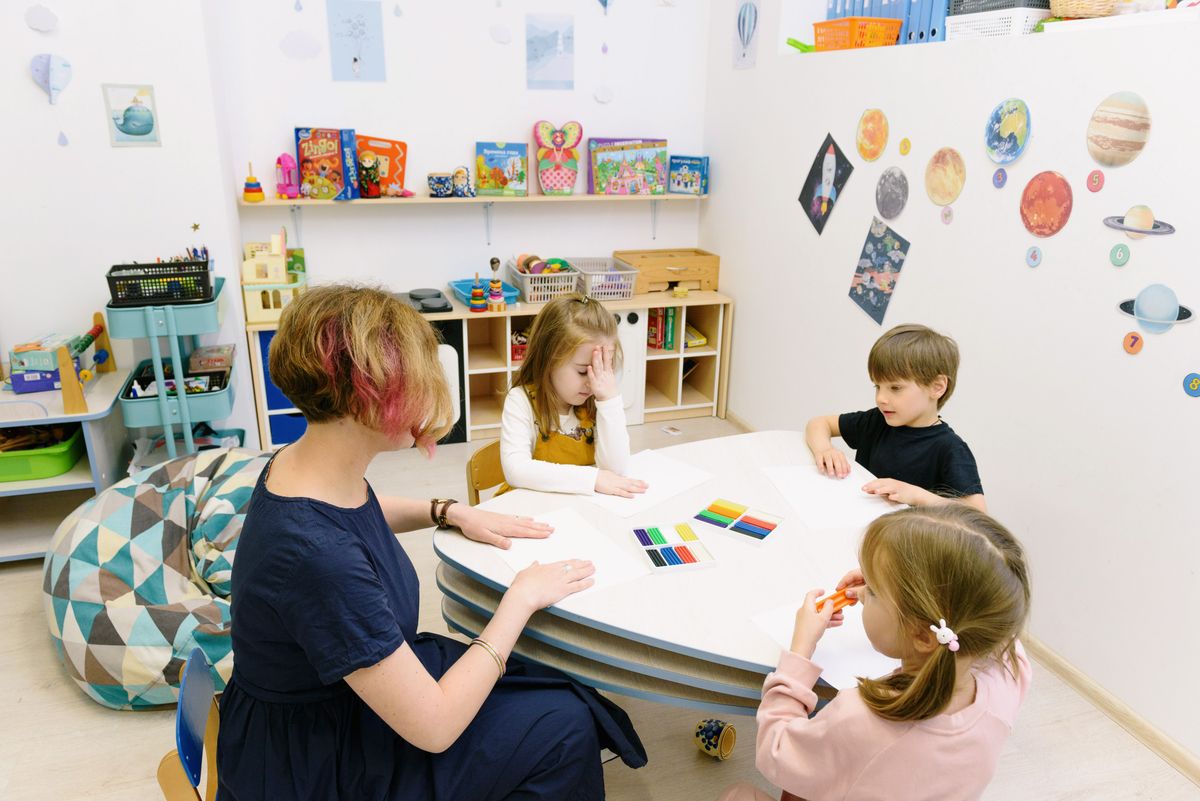
Confidence doesn't arrive all at once on the first day of school. It's built in hundreds of tiny moments: a baby who reaches and is answered, a toddler allowed to pour (and spill), a preschooler whose idea is taken seriously. Here's how we engineer those moments — and how you can too.
Answer the reach
When an infant reaches, babbles, or cries and a caregiver responds warmly, the baby learns the most foundational lesson of confidence: I matter, and the world responds. In our infant room, every cue gets an answer within seconds. At home, narrate as you respond — "You're telling me you're hungry, I'm warming your bottle" — so your baby connects voice, action, and trust.
Praise the effort, specifically
"Good job" evaporates. "You stacked three blocks even when the tall one fell — you kept trying" sticks. Specific praise teaches children what they did well, so they can repeat it on purpose.
- Name the strategy: "You turned the puzzle piece until it fit."
- Name the feeling: "You look so proud of that tower."
- Name the growth: "Last week you needed help; today you did it alone."
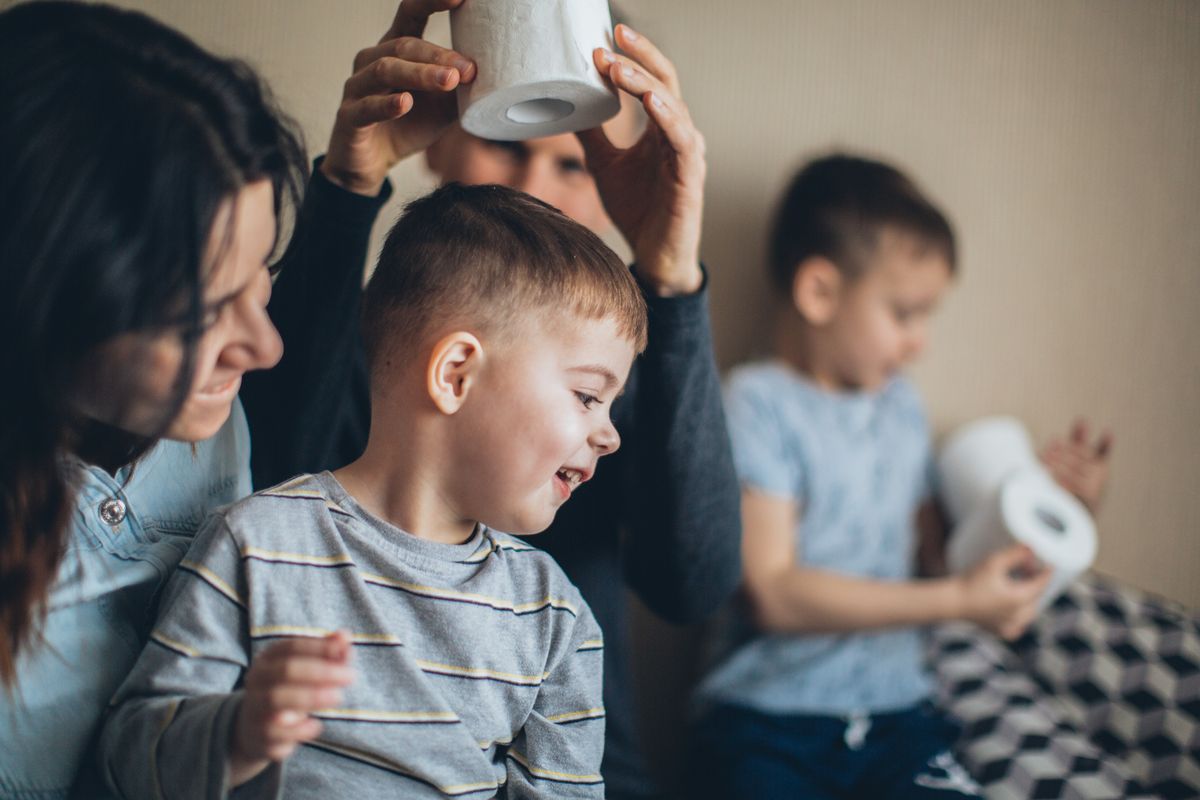
Let them do the hard thing (safely)
Pouring water, climbing the small slide, zipping a coat — every safe struggle is a confidence deposit. Our rule of thumb: if the worst outcome is a spill, a giggle, or a retry, hands off. Step in for safety, never for speed.
Give real jobs
Watering plants, feeding the class fish, holding the door — genuine responsibility tells a child the group counts on them. Rotate jobs weekly so every child, including the quietest, gets a turn being essential.
“A confident child isn't one who never falls. It's one who has fallen a hundred safe times — and been cheered every time they stood back up.”— Amara S., Infant & Toddler Specialist at Bumblenook
Confidence compounds. Start today with one specific praise and one un-rushed struggle, and watch what changes by Friday.

Infant & Toddler Specialist, Bumblenook Daycare