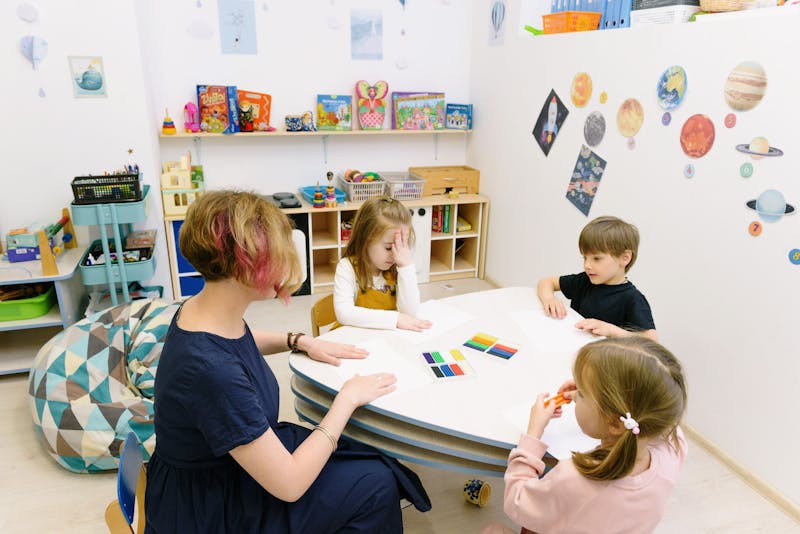
Toddlers don't need a minute-by-minute schedule — they need rhythm. When meals, naps, and bedtimes happen in a predictable order, toddlers feel safe enough to explore, try, and occasionally melt down a little less dramatically. Here's the routine framework we use in our toddler rooms, adapted for home.
Anchor the day with three fixed points
Pick a consistent wake time, lunch time, and bedtime, and let everything else flex around them. Children who can count on these three anchors fall asleep faster and wake up happier — because their bodies learn when to expect rest.
- Morning light first: open curtains and have breakfast within 30 minutes of waking to set the body clock.
- One outing before lunch: park, garden, or even a hallway parade burns the wiggles that block naps.
- Wind-down, not crash-down: dim lights, two books, one song — the same trio every single night.
Make transitions the routine, not the battle
Most toddler chaos lives in the five minutes between activities. A two-minute warning song, a cleanup race, or a special "transition toy" that only appears between activities turns the hardest part of the day into a game.
Keep it visual
A simple picture chart — breakfast, play, nap, snack, story, bed — lets pre-readers "read" their own day. Point to it each morning and each night. Within two weeks, most toddlers start pointing to what's next themselves, and the negotiations drop by half.
“Routine is a toddler's love language. Predictability says: you are safe, and I have got you.”— Maya R., Lead Toddler Educator at Bumblenook
Start with just one anchor this week — bedtime is the highest-leverage one. Once it sticks, add the next. Small, steady beats perfect every time.

Lead Toddler Educator, Bumblenook Daycare